How it works
Reproducing a discontinued part isn't hard because of engineering. It's hard because no manufacturer will commit tooling money without knowing the demand is real. Encore Werks solves exactly that — and nothing about the process is hidden from you.
Watch it in 3½ minutes, or read the six steps below. Chapters let you jump to any stage.
-
You request the part
Vehicle year, make, and model; the OEM part number if you know it; a description and photos if you don’t; how many you’d want; and whether you have a good reference part we could borrow. Two minutes, no card.
-
The signal grows — in public
Your request is verified, deduplicated, and added to the part’s public interest count. Our systems also watch forums and enthusiast communities for the same part being asked about elsewhere, so we know about demand you never see.
-
The campaign gate
A project only becomes a campaign after it clears a real bar: a viability review of the part’s identity, IP clearance, reference-part availability, and economics — with verified, recent interest signals as the demand evidence (around 15 is our reference level, not a magic number). We’re selective on purpose — a campaign we launch is a campaign we believe can fund and ship.
-
You pledge — you are not charged
When a campaign opens, you place a pledge: a small deposit ($15–$50 depending on the part) authorized on your card. The funds are reserved but never move. The campaign page shows the frozen interest count from the signal stage, so you can see exactly what’s behind the project.
-
Threshold, extension, or full release
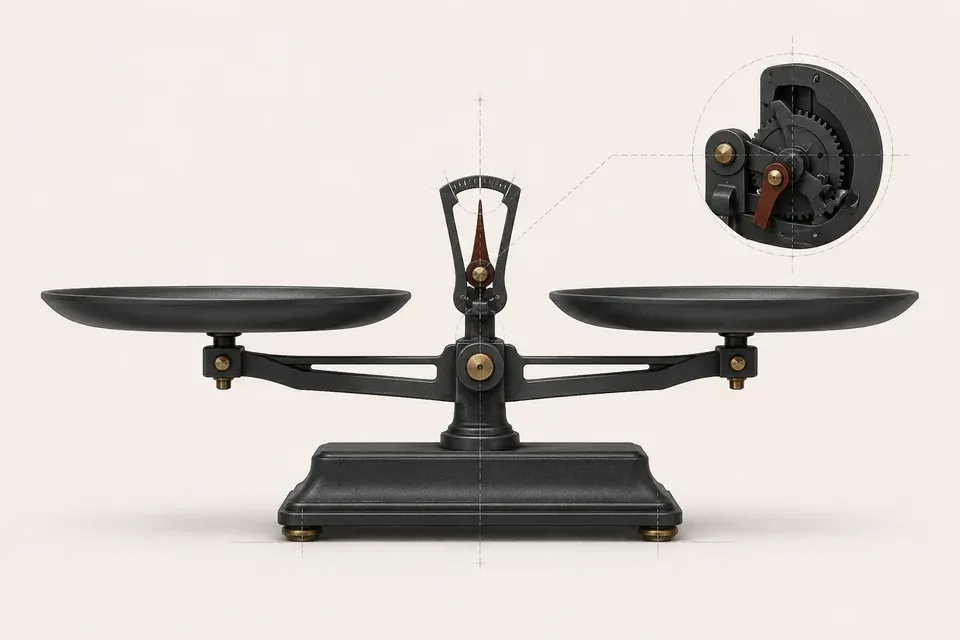
If total pledges meet the project’s R&D budget by campaign close, all pledges are captured simultaneously and development starts immediately. If a campaign falls short at close, it first enters an extension — existing pledges roll forward, untouched, while the community works to close the gap. Only if the extension also falls short does the campaign close, and then every single authorization is released. There is no partial capture, no exceptions.
-
Development and delivery
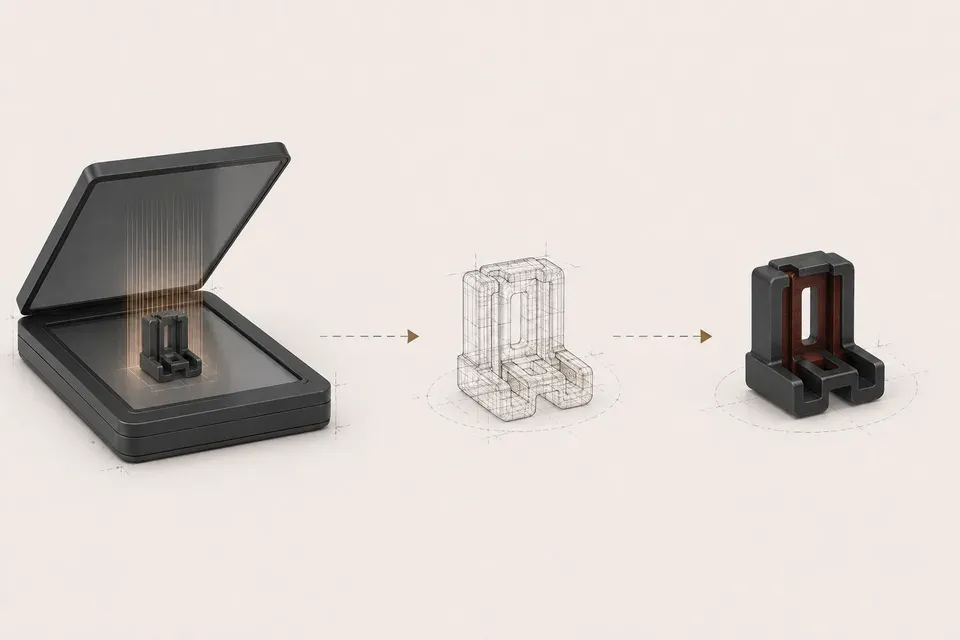
We solicit reference parts from selected pledged owners — prepaid shipping and insurance both ways — then 3D-scan, reverse-engineer, validate CAD against the original, and move to production. Everyone who pledged gets progress updates at each stage.
About pricing
A floor-to-ceiling range, not a fixed price.
Campaigns show a floor-to-ceiling price range, not a fixed price. The final price depends on how many people participate — more participants, lower unit cost. We publish the range up front because that's the honest shape of small-batch manufacturing.